Antibiotic resistance: A growing threat to global health
Nadwa Atwi. 02/12/2021
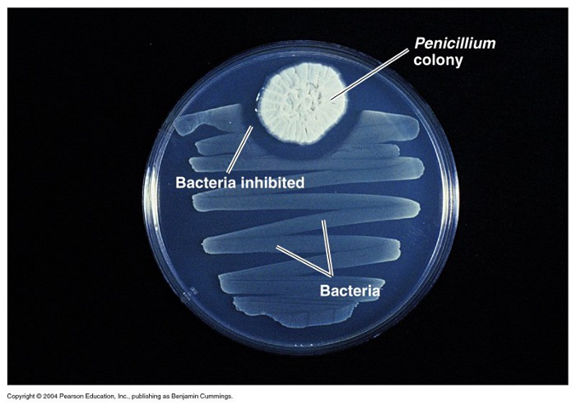
For decades, antibiotics have been considered the wonder drug that cures all infections. It all started when Alexander Fleming, a Scottish microbiologist, came back from a two-week vacation in 1928 only to accidentally discover green mold (now known as Penicillium) developing on his culture plates and killing some bacteria he’d been growing. Since then, the discovery of Penicillin (a substance produced by Penicillium) has changed the course of medicine and enabled physicians to treat formerly brutal and life-threatening diseases. The overuse of antibiotics, however, propelled the evolution of resistance. As a result, plenty of bacteria have become unresponsive to antibiotics, and consequently, a number of infections have become incredibly challenging to treat.
What are antibiotics?
Antibiotics are drugs specifically targeted to damage the essential parts of a bacterial cell or disrupt its critical functions. They are usually prescribed to prevent or treat bacterial infections like strep throat and pneumonia. Although the body can occasionally fight off infections on its own, in instances where a bacterial infection is already severe enough to cause a high-grade fever, antibiotics become the primary choice of treatment.
But what happens when bacteria become resistant to a certain antibiotic? Well, according to the Centers for Disease Control and Prevention (CDC), a patient would expect longer-lasting illnesses, extended hospital stays, additional follow-up doctor visits and more costly treatments. Such alternative treatments usually display more adverse side-effects and occasionally even fail to treat the infection, resulting in death.
How do bacteria become resistant to antibiotics?
There are two major pathways: DNA mutations and horizontal gene transfer.
When DNA mutations result in a favorable change in the organism, this leads to its evolution, a natural process that occurs in all living beings. One example is a bacterium that has recently acquired a certain trait that allows it to resist an antibiotic’s assault. This ‘upgraded’ bacterium would grow and divide just like its siblings, but up until now, it’s very unlikely that it would overrule them in number, considering it’s pretty new. When the antibiotic is introduced, however, all the ‘traditional’ bacteria targeted by this antibiotic die, whereas the ‘upgraded’ bacteria are left unscathed with a greater chance of survival.
Although mutations are a natural way for bacteria to acquire antibiotic resistance, certain factors can still increase its prevalence. Those include excessive use of antibiotics, their inappropriate handling (like taking antibiotics to treat viral and fungal infections) and a discontinued course of antibiotic treatment. Recently, the overuse of antibiotics in agriculture has started to gain attention too, especially in food-producing animals. In many countries, the major reasons for antibiotic use in animals are growth promotion and disease prevention rather than the treatment of sick animals.
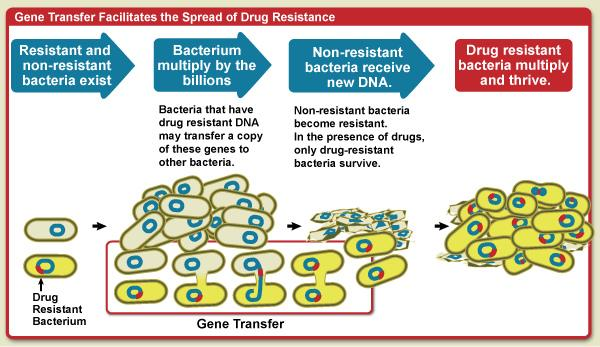
Another pathway for bacteria to obtain resistance is horizontal gene transfer. Simply stated, it involves a resistant bacterium gifting its resistance to a susceptible bacterium through plasmids. A plasmid is a small naturally-occurring DNA molecule distinct from a bacterial cell’s chromosomal DNA. The genes carried in plasmids often provide bacteria with genetic enhancements, such as antibiotic resistance. By undergoing a process called conjugation, bacterial cells can share plasmids, and thus their advantageous add-ons, with each other to increase their chances of survival.
Antibiotic-resistant Bacteria
Some bacteria have acquired resistance to antibiotics that were once commonly used to treat them. The most prominent examples are Staphylococcus aureus (also known as golden staph or MRSA) and Neisseria gonorrhoeae (which causes gonorrhea).
However, the most serious concern with antibiotic resistance right now is that some bacteria have become resistant to almost all of the easily available antibiotics. In some countries, the alternative treatment options for these bacteria are expensive and not always available.
These ‘superbugs’ are now capable of causing serious illnesses, which has become a major public health problem. Multi-drug-resistant Mycobacterium tuberculosis (MDR-TB) is a strain of Mycobacterium tuberculosis that has adapted to the most powerful tuberculosis drugs and became resistant to them. Further drug resistance of the bacteria at some point in the future could eventually render it untreatable.
So what’s the next step?
The World Health Organization (WHO) has been working on spreading awareness about antibiotic resistance. They have even dedicated an entire week in November for World Antimicrobial Awareness that aims to promote awareness of global antimicrobial resistance and to inspire proper practices among health workers and the general public to deter further emergence and spread of drug-resistant infections.
Every year since 2015, posters are put up to inform people about the proper use of antibiotics. Notable instructions include only using antibiotics for bacterial infections, as they aren’t effective for common colds and bronchitis (which are mainly caused by viruses), practicing proper hygiene and finishing the full prescribed course of treatment even if the patient starts feeling better. Farmers are also encouraged to stop antibiotic abuse in livestock.
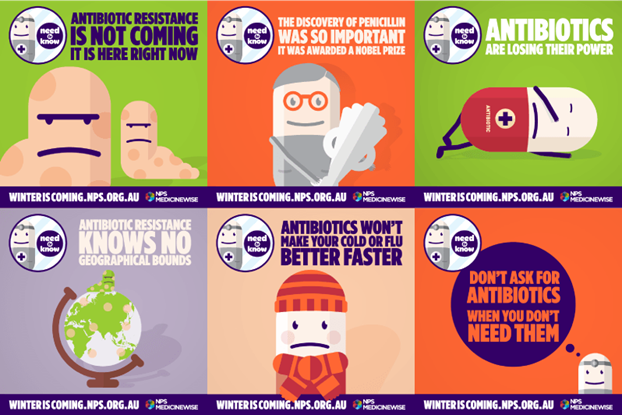
Antibiotic resistance resulting from antibiotic misuse is putting modern medical advancements and medicine at risk of becoming ineffective. Procedures such as organ transplants, chemotherapy and surgeries become increasingly dangerous without effective antibiotics to prevent and treat infections. Reducing the improper use of antibiotics and making sure to adhere to the proper policies will make a difference and will help prevent antibiotic resistance in the future. However, this is all dependent on how willing people are to follow the given advice for their future.
Cover Photo: (BioPharma Reporter)

Nadwa is a pharmacy student from Lebanon. She is a science enthusiast that loves to feed her curiosity by probing into the most unusual medical conditions. Through InterSTEM, Nadwa aspires to let people recognize just how fascinating science can be, and hopes to share her passion with them as well. In her free time, she enjoys reading novels and reviewing them on her blog, binge-watching anime and fangirling over her favorite Kpop groups.